Thursday · September 10, 2026 · The Petrenko Group
Five Shoreline Due-Diligence Checks That Prevent Costly Surprises
Waterfront due diligence is not the same as a home inspection. These five checks catch the problems that surface months after closing.
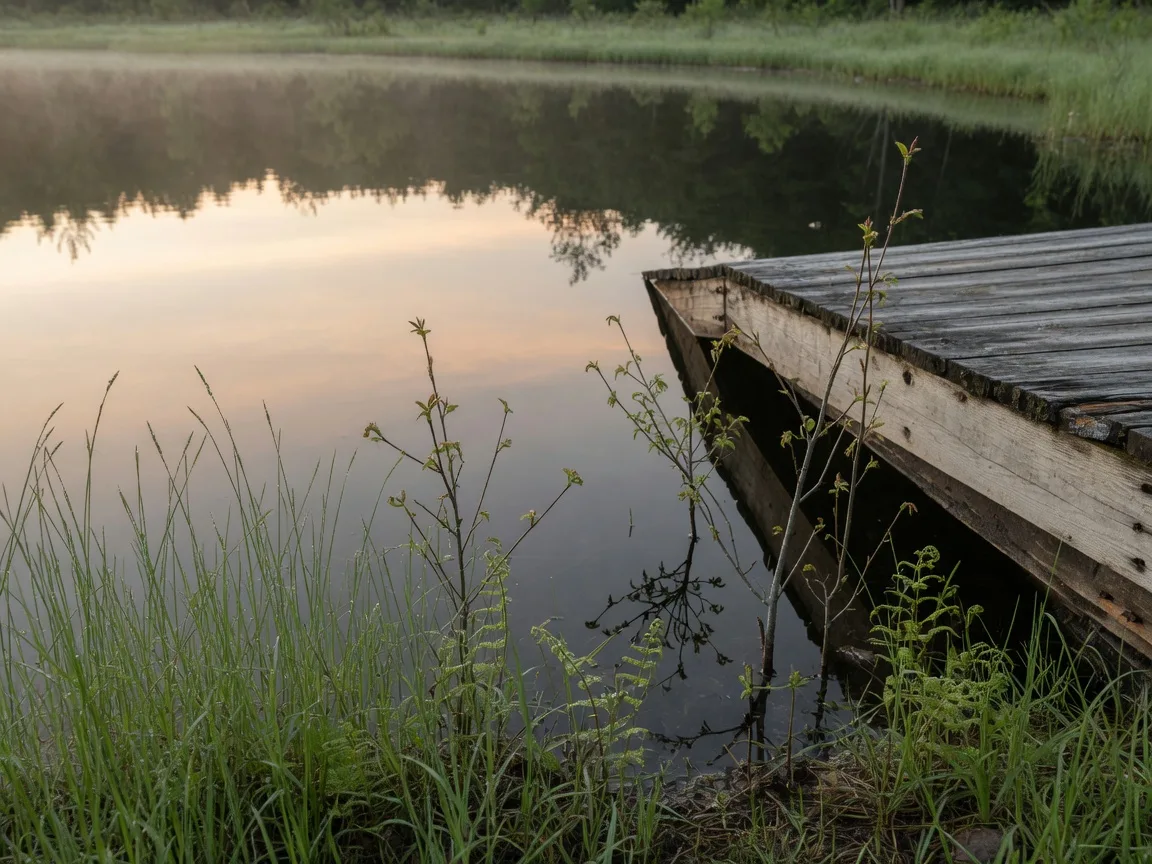
The most expensive problems in waterfront real estate are the ones that live below the waterline and behind the survey line. A standard home inspection rarely touches them. Here are the five checks our advisors run on every lake property, in the order they matter.
1. The 50-foot buffer and the full-pond line
Duke Energy's shoreline program measures from the full-pond elevation, roughly 760 feet on Lake Norman and at the established pool lines on Lake Wylie and Mountain Island Lake, and keeps a 50-foot buffer clear of structures and major grading. Order the survey with the contour flagged, walk the line on site, and check whether any existing feature, a shed, a septic field, a grade change, sits inside it. Buffer violations surface at resale and can stall a closing.
2. Permit history for every dock and lift
Ask for the shoreline permit records tied to the deed, then verify the existing dock, lift, boathouse and any additions match what was approved. Duke Energy permits are tied to the property rather than the owner, and improvements that were built without a permit do not grandfather themselves simply because they are old. If a dock was expanded beyond the plan, the fix can mean removal or a hard-to-get retrofit.
3. Depth at the dock, at full pond and at drawdown
A dock that floats a cruiser at full pool can strand it when the reservoir draws down. Ask for depth readings taken at the dock and along its face, not just a selling agent's 'deep water' description, and ask what the lake level actually did during the most recent dry years. The difference between a six-foot and a three-foot reading at the end of the dock is the difference between a boat slipped at home and a boat at the marina.
4. Erosion, bulkheads and the undercut bank
Walk the shoreline at water level, not from the deck. Look for exposed roots, a stepped or undercut bank, failing bulkhead seams, and sediment plumes where runoff enters the lake. A failing bulkhead can be a five-figure repair with a permit attached, and shoreline erosion that is actively moving the bank is a red flag that belongs in the negotiation, not the afterthought.
5. The weekend test: noise, traffic and neighbors
Waterfront character changes on the weekend. Check the listing at noon on a Saturday if you can: count the boats, listen for the wake, watch the swim lane and the traffic off the channel bend. A quiet midweek cove can be a thoroughfare by Saturday morning, and no survey or permit check will tell you that.
The bottom line
Waterfront due diligence rewards people who ask in writing and verify in person. Run these five checks on any lake property, and you convert the fuzzy promise of lakefront living into a concrete list of facts you can price, negotiate and protect.
Have a question about dock and shoreline due diligence? Ask an advisor who walks these docks weekly.
Talk to Vic and AmyContinue reading
All entries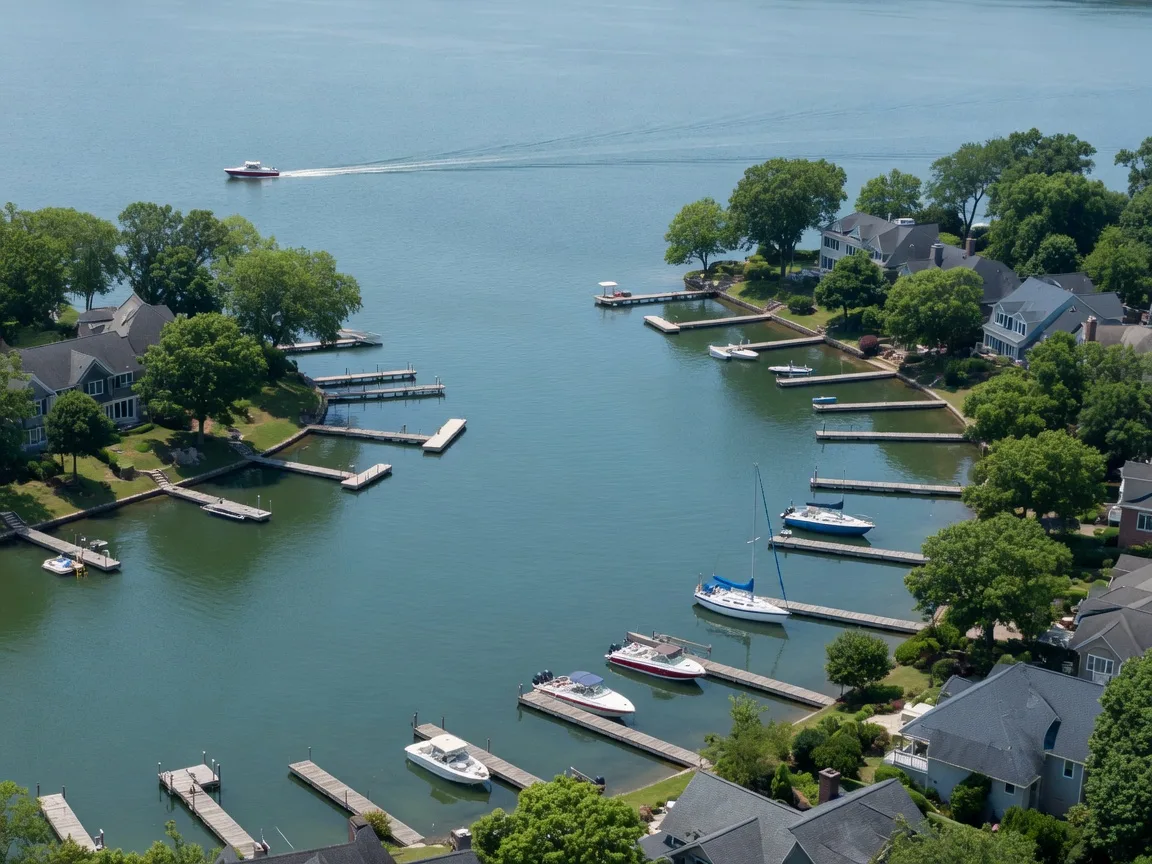
Lake Norman · September 1, 2026
The Lake Norman Waterfront Buyer's Guide: What to Know Before You Make an Offer
Due Diligence · September 3, 2026
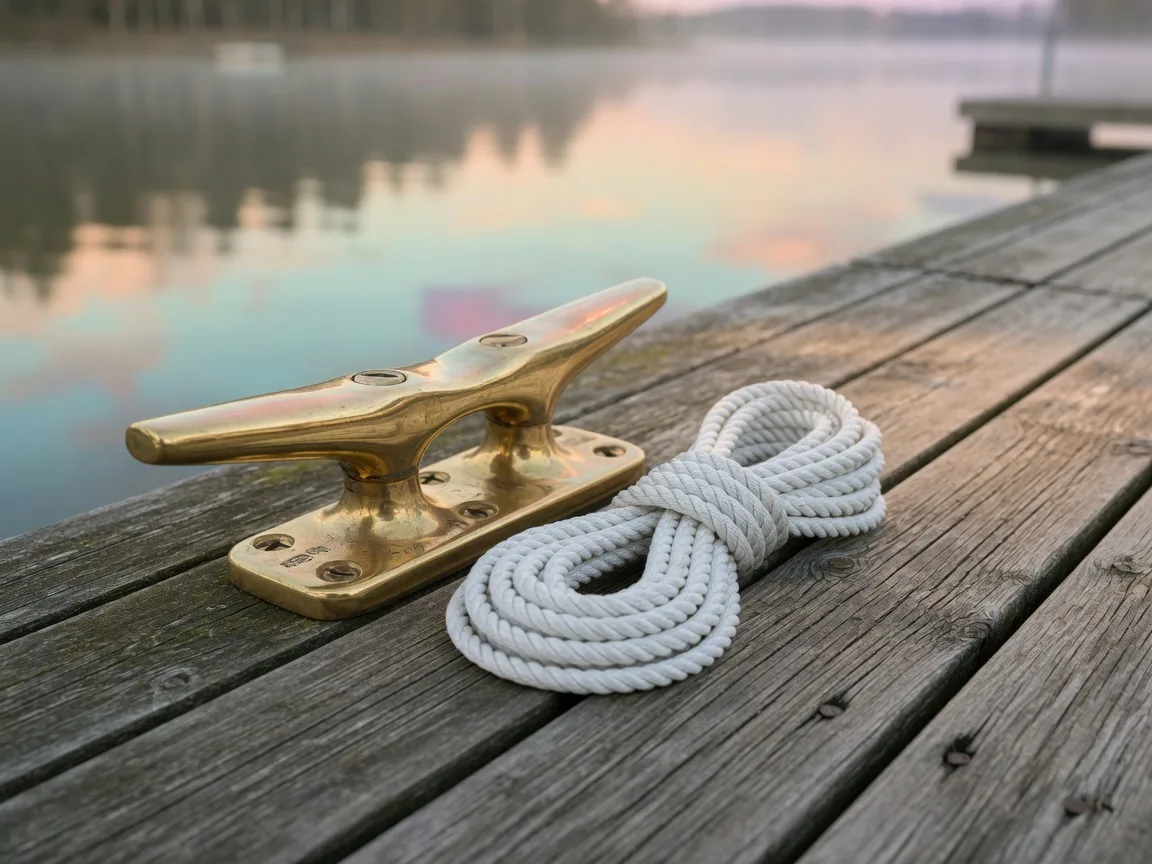
Docks 101: How Duke Energy Shoreline Permits Work on All Three Lakes
Lake Wylie · September 5, 2026
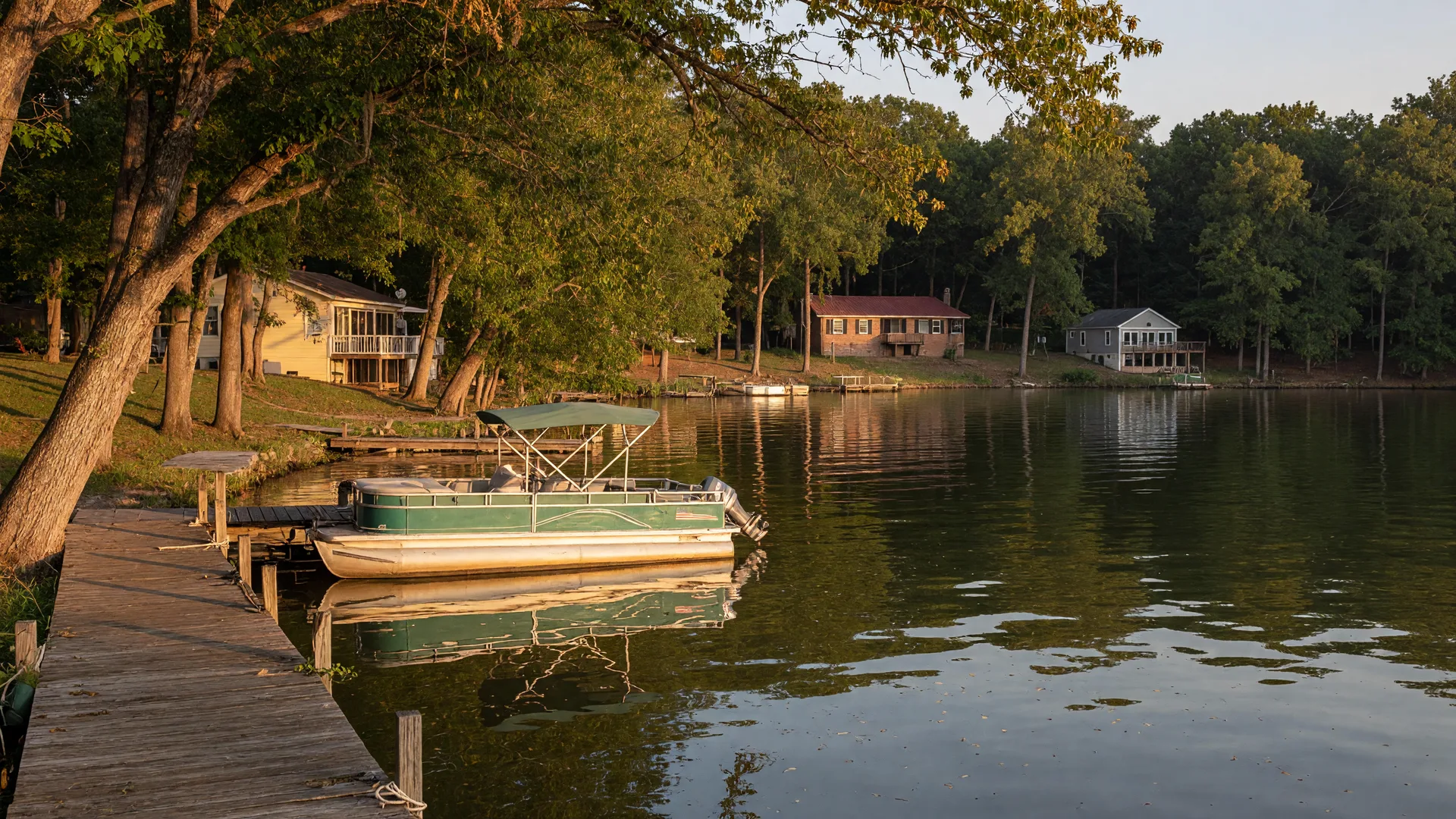
Lake Wylie Communities: From Tega Cay to the Catawba Border
Private consultation
Bring us your shoreline questions
Depth at the dock, permit history, buffer lines, comparable sales: tell us what you are evaluating and we will bring you the facts.
The Petrenko Group · Premier Sotheby's International Realty · 138 Village View Lane, Mooresville, NC 28117.