
Monday · October 19, 2026 · The Petrenko Group
What Should You Inspect Before Buying a Waterfront Home on Lake Norman?
Inspect four things before you offer on a Lake Norman waterfront home: the dock and its Duke Energy permit, the shoreline and the 50-foot buffer, the depth at the dock face, and the septic system. Here is what each check actually looks like.
Full Lake Norman market section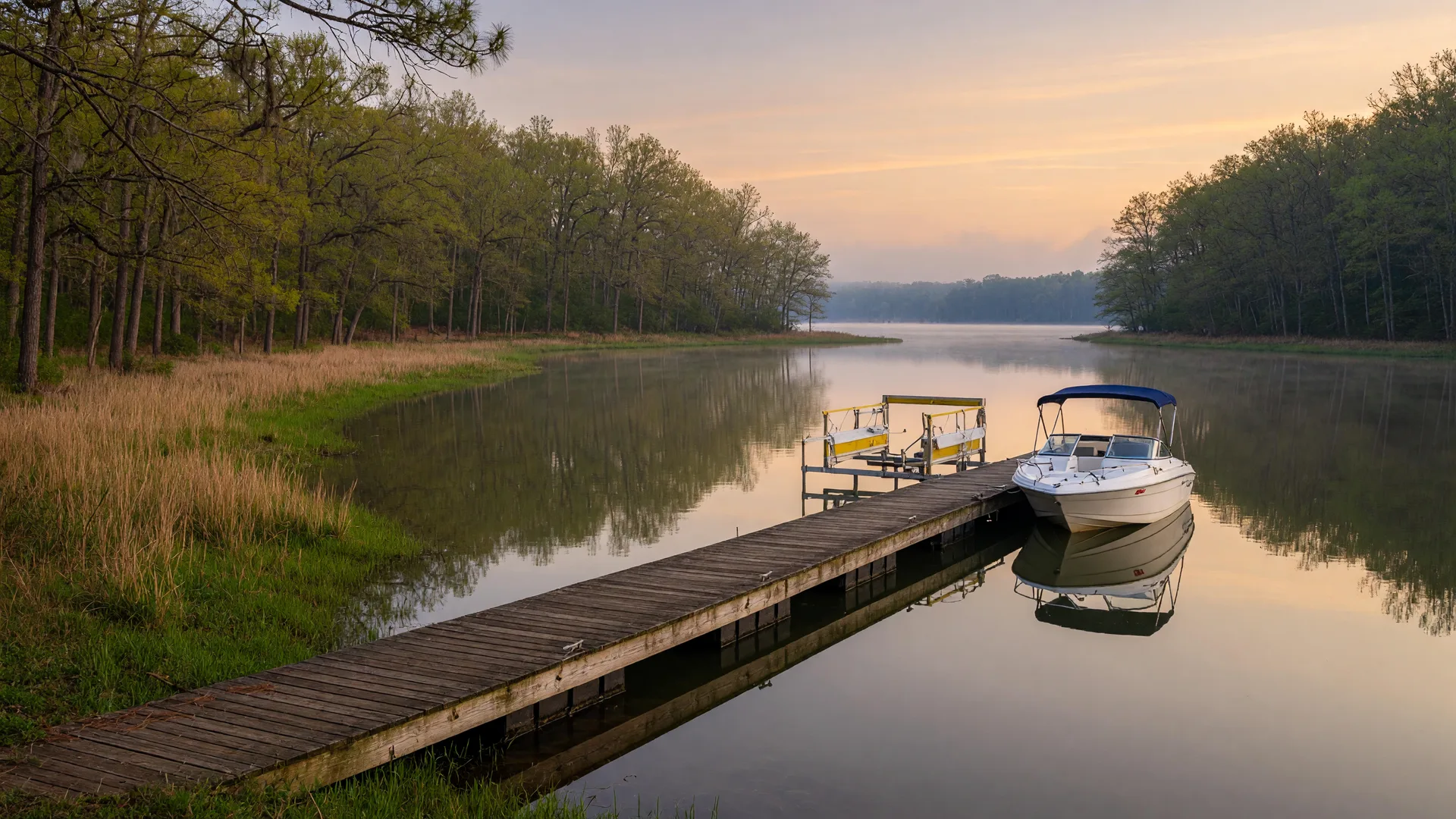
Inspect four things before you make an offer on a Lake Norman waterfront home: the dock and its Duke Energy permit, the shoreline and the 50-foot buffer, the water depth at the dock face, and the septic system if the home is not on sewer. The dock check comes first, because on Lake Norman the permit is the asset: every structure below the 760-foot full-pond line sits on Duke Energy land and needs a recorded Lake Use Permit, and since July 1, 2026, Duke Energy no longer reviews private dock applications on lots where no home is constructed. The shoreline check matters because a 50-foot buffer measured from the full-pond line governs what can be built, stabilized or cleared along the bank. The depth check decides what the dock can actually hold, and the septic check protects the very water you are buying the view of.
Start with the dock, and start with the permit
Have a marine inspector check the dock itself: pilings below the waterline for rot, corrosion and borer damage, plus the decking, hardware, lifts, wiring and any roof. Then confirm the structure carries a Duke Energy permit tag and that the permit is actually in the seller's name. The small plate on the walkway only proves a permit exists; Duke Energy's permit record is what proves the dock matches what was approved, and Duke inspects the structure on transfer.
The transfer runs through Duke Energy's Lake Access Permit System (LAPS): the buyer submits a Lake Permit Application and User's Agreement, and a Lake Services representative inspects the facility to confirm it was properly permitted and not modified without approval. Duke Energy releases a property's shoreline records only to the current recorded owner, so a permit that was never transferred into the seller's name is a red flag, not a formality. Confirm the status before closing, not after.
Walk the shoreline and read the 50-foot buffer
Lake Norman's shoreline is managed under the Catawba-Wateree Shoreline Management Program, and the number every buyer should know is the 50-foot buffer measured landward from the 760-foot full-pond line. Anything you want to do inside that band, from a new dock to rip-rap to clearing vegetation, touches Duke Energy's rules, and on the Mecklenburg, Iredell and Lincoln shorelines North Carolina's Catawba riparian buffer rules add their own vegetated setback. What the listing photographs rarely show is the actual condition of the bank: slumping, scarping, exposed roots, a cracked or undermined seawall, bulkhead or rip-rap base.
Walk the full frontage before you look at the house. Any shoreline stabilization, dredging or excavation within the FERC project boundary requires its own Duke Energy permit, separate from any dock permit, and a bank that is actively eroding is a maintenance line item that belongs in your negotiation, not in a surprise repair bill.
Depth at the dock face is the number that sets the price
Lake Norman's full-pond line sits at 760 feet above sea level, its main channel drops to roughly 110 feet near Cowans Ford Dam, and its coves shoal quickly off the bank. Order depth readings taken at the dock and along its face at full pond, then ask what the reservoir level did in the most recent dry years, because a dock that floats a boat at full pool can ground it at drawdown. A standard boat lift operates in roughly three feet of water; a heavy-duty lift for a large boat needs closer to six or seven.
The homes with a permitted dock and water deep enough to use it sit at the top of the price band on Lake Norman, while shallower coves and non-dockable shoreline trade at a real discount. Depth at the dock is the feature you pay for and cannot move, so verify it before you price your offer.
The septic system is a lakefront inspection on its own
Many Lake Norman waterfront homes, particularly in the Iredell and Lincoln county stretches, run on onsite septic rather than municipal sewer. Near the lake the water table is higher and the setbacks are stricter. Request the septic permit, capacity and pump and inspection history from the county health department, and have the system checked for saturation, surfacing effluent and proper function under load.
A failing system near the water is not just a repair bill; it can trigger county and state requirements that reach the shoreline itself. Know the system's age, its last inspection date and its replacement cost before you write an offer.
What the market does with all this
Lake Norman waterfront is the premium slice of the Charlotte market, and 2026 data shows how much the inspection list is worth. Mid-2026 reports put the median waterfront single-family sale between roughly $1.65 million and $2.4 million by month across the four-county shoreline, with an average luxury waterfront price near $3.1 million and Cornelius the highest-priced town on the lake. Listings have ranged from smaller and off-shore homes near $200,000 up to an $18.5 million estate in Norman Estates near Denver, the highest listing on the Charlotte market.
The telling number is what sells fastest: turn-key deep-water waterfront with a permitted dock has been closing near or above asking, with waterfront-tracking reports putting the sale-to-list ratio around 96.6 percent and active single-family waterfront inventory near 228 homes with roughly 68 days on market. In that split market, the inspection list is also the value list. A clean permit record, a stable shoreline, a working septic system and real depth at the dock are the four things that separate the fast sale at the top of the band from the discount below it, and they are all verifiable before you write an offer.
The bottom line
Inspect four things before you offer on a Lake Norman waterfront home: the dock and its Duke Energy permit, the shoreline and the 50-foot buffer, the water depth at the dock face, and the septic system. Bring a marine inspector, a county records request and a depth reading to your first tour, and the lake will tell you what the listing photographs will not. On Lake Norman, the inspection is not a formality. It is the due diligence that separates a confident offer from an expensive surprise.
Have a question about lake norman waterfront? Ask an advisor who walks these docks weekly.
Talk to Vic and AmyContinue reading
All entries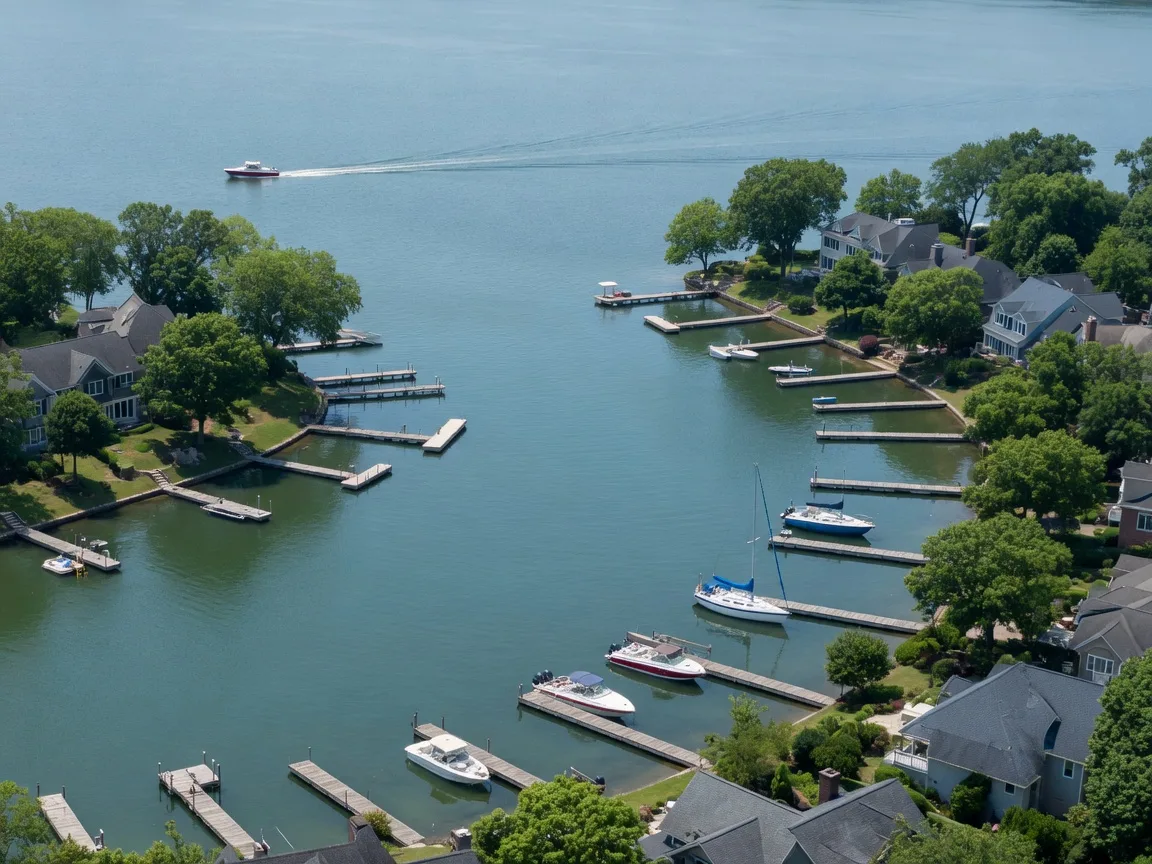
Lake Norman · September 1, 2026
The Lake Norman Waterfront Buyer's Guide: What to Know Before You Make an Offer

Due Diligence · September 3, 2026
Docks 101: How Duke Energy Shoreline Permits Work on All Three Lakes
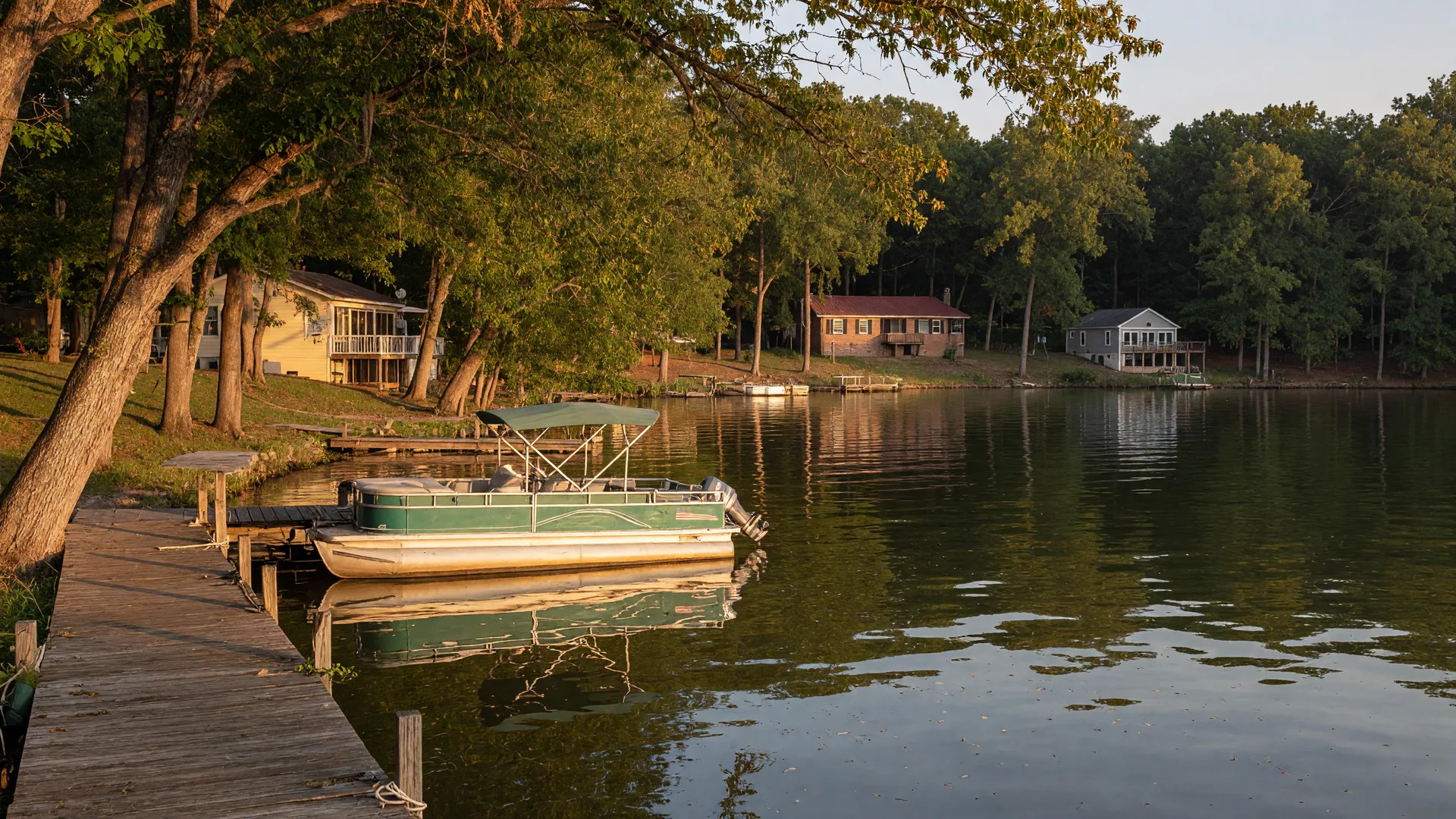
Lake Wylie · September 5, 2026
Lake Wylie Communities: From Tega Cay to the Catawba Border
Private consultation
Bring us your shoreline questions
Depth at the dock, permit history, buffer lines, comparable sales: tell us what you are evaluating and we will bring you the facts.
The Petrenko Group · Premier Sotheby's International Realty · 138 Village View Lane, Mooresville, NC 28117.